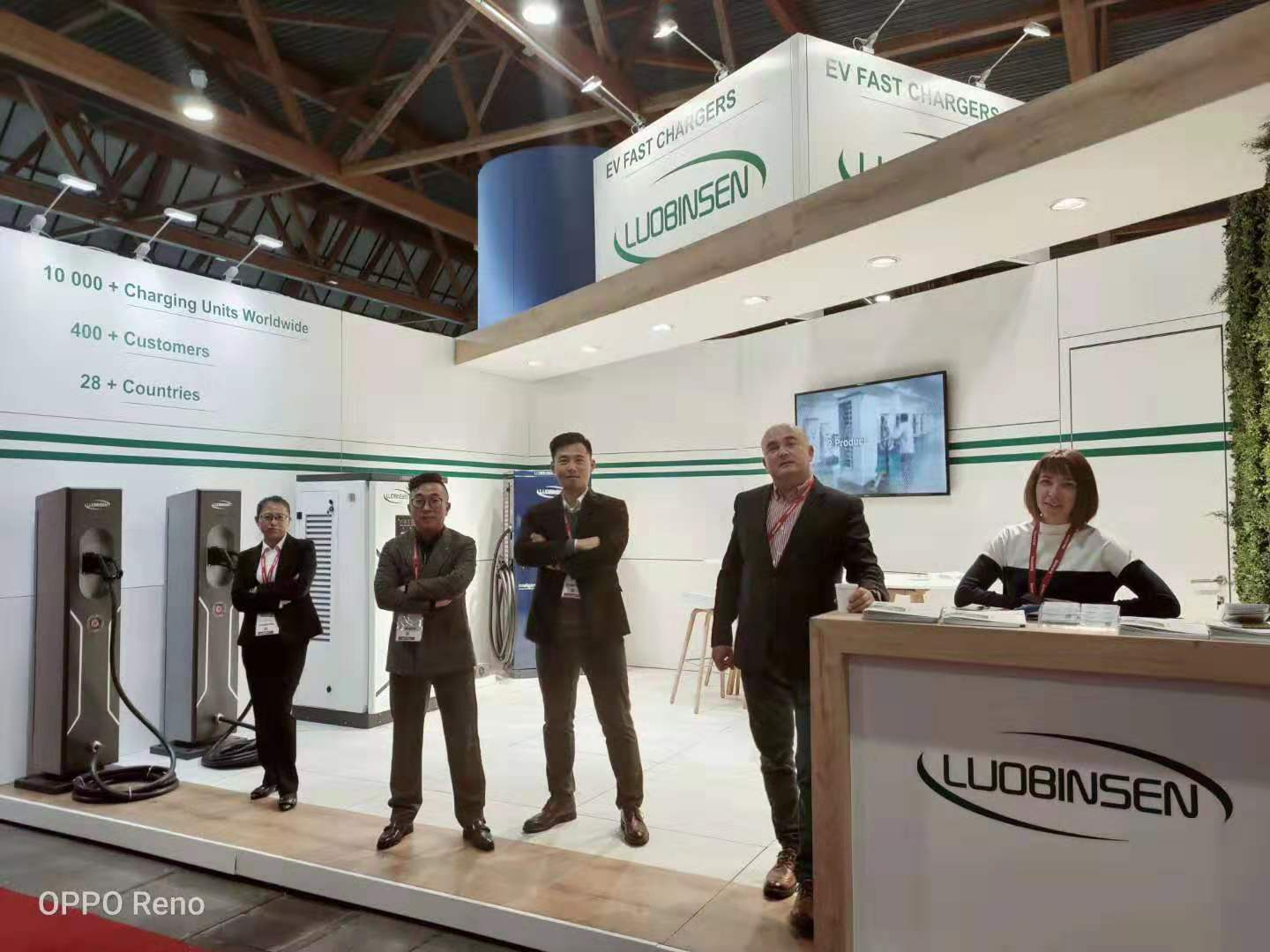
As we at Luobisnen continue to expand our all-in-one charging station solutions, we understand that installing a 200kw charger involves more than simply setting up the hardware. Regulatory requirements, site evaluations, and utility coordination all play critical roles in ensuring a safe and compliant installation. Our experience shows that understanding these permitting challenges early in the planning process can significantly streamline project execution for commercial and fleet operators.
Understanding Regulatory Requirements
One of the main permitting challenges involves navigating local, regional, and national regulations. Different municipalities may have varying requirements regarding electrical capacity, zoning, and environmental compliance for high-power EV chargers. When planning the deployment of a 200kw charger, we ensure our clients are aware of potential permitting delays and documentation needed. Our all-in-one charging station features a self-designed central control system, which simplifies compliance with safety standards and electrical codes. By providing comprehensive technical specifications, we help local authorities verify that our equipment meets operational and safety requirements.
Site Assessment and Utility Coordination
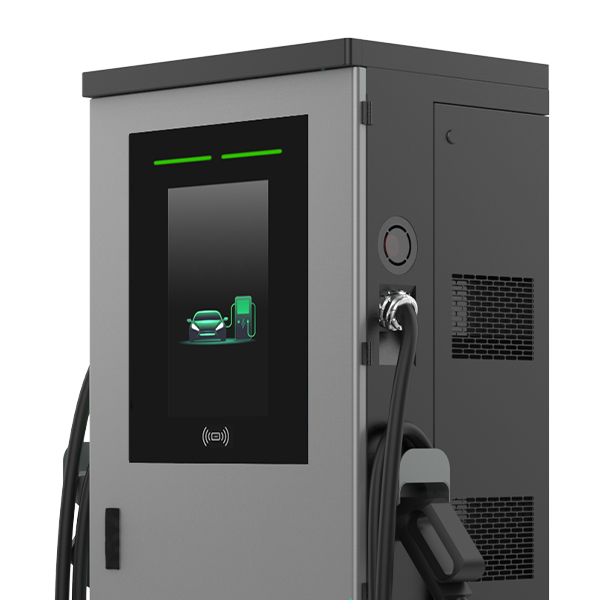
Another key factor is evaluating the site’s electrical infrastructure. Installing a 200kw charger requires sufficient voltage support and robust connections to handle high-power output. At Luobisnen, our team works closely with utilities to confirm grid capacity, arrange service upgrades if necessary, and coordinate inspections. Our all-in-one charging station supports a wide voltage range from DC 200-1000V and multiple charging standards including GB/T, CCS1, CCS2, and CHAdeMO, which allows flexibility for different sites. Proper site assessment helps prevent unexpected issues, such as insufficient power supply or delays in obtaining inspection approvals.
Planning for Commercial Applications
Permitting challenges are often more complex for commercial installations or fleet charging solutions. Factors such as multiple charger placement, traffic flow, and safety clearances must be addressed in permitting applications. Our 200kw charger is designed for versatility, suitable for outdoor installations, EV fleets, and operator-managed charging stations. By providing clear documentation and a modular system design, we reduce the likelihood of permitting setbacks and facilitate smoother approval processes.
Conclusion
Permitting a high-power EV charger like a 200kw charger involves careful planning, coordination with authorities, and thorough site evaluation. At Luobisnen, we combine our expertise with advanced technology in our all-in-one charging station to help clients overcome these challenges efficiently. By understanding regulatory requirements and preparing detailed site and technical information in advance, commercial and fleet operators can ensure a faster, more reliable installation process. For businesses looking to deploy high-power EV solutions, careful attention to permitting is as important as choosing the right equipment.