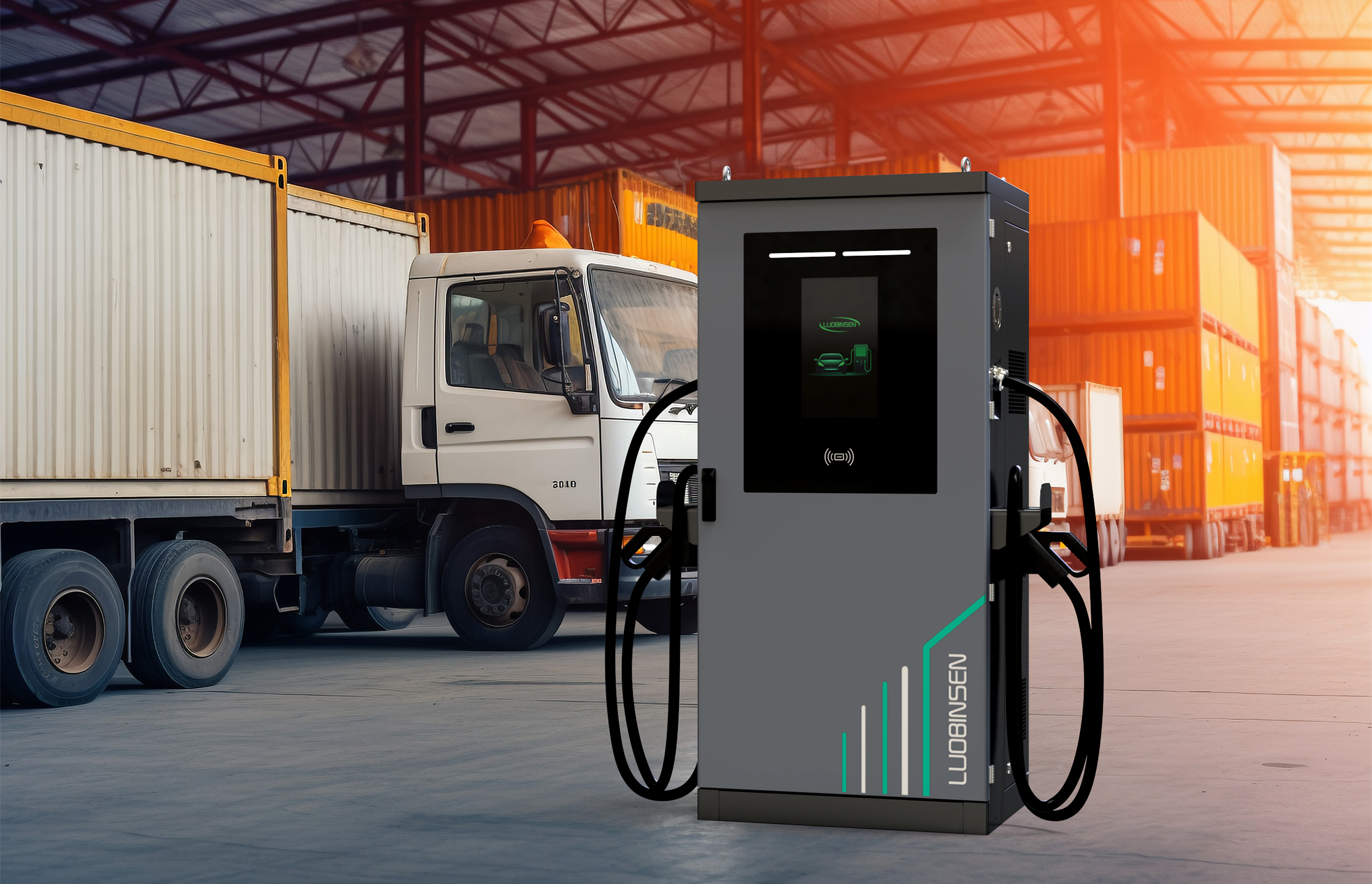
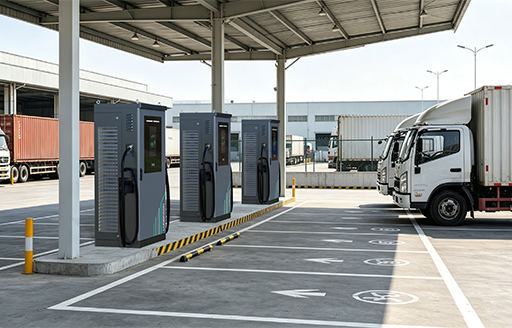
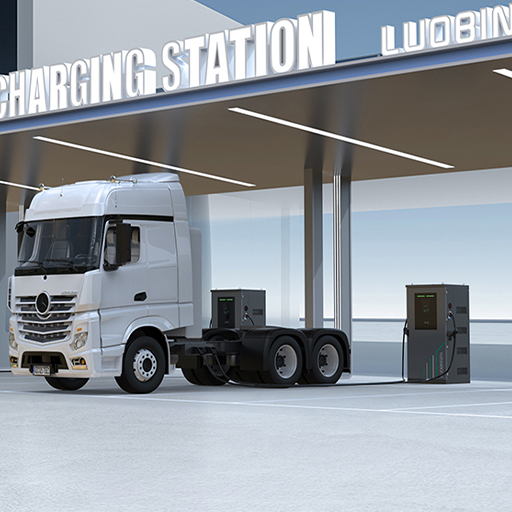
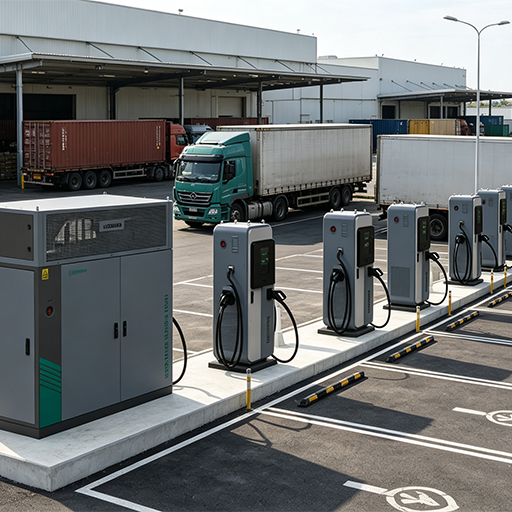
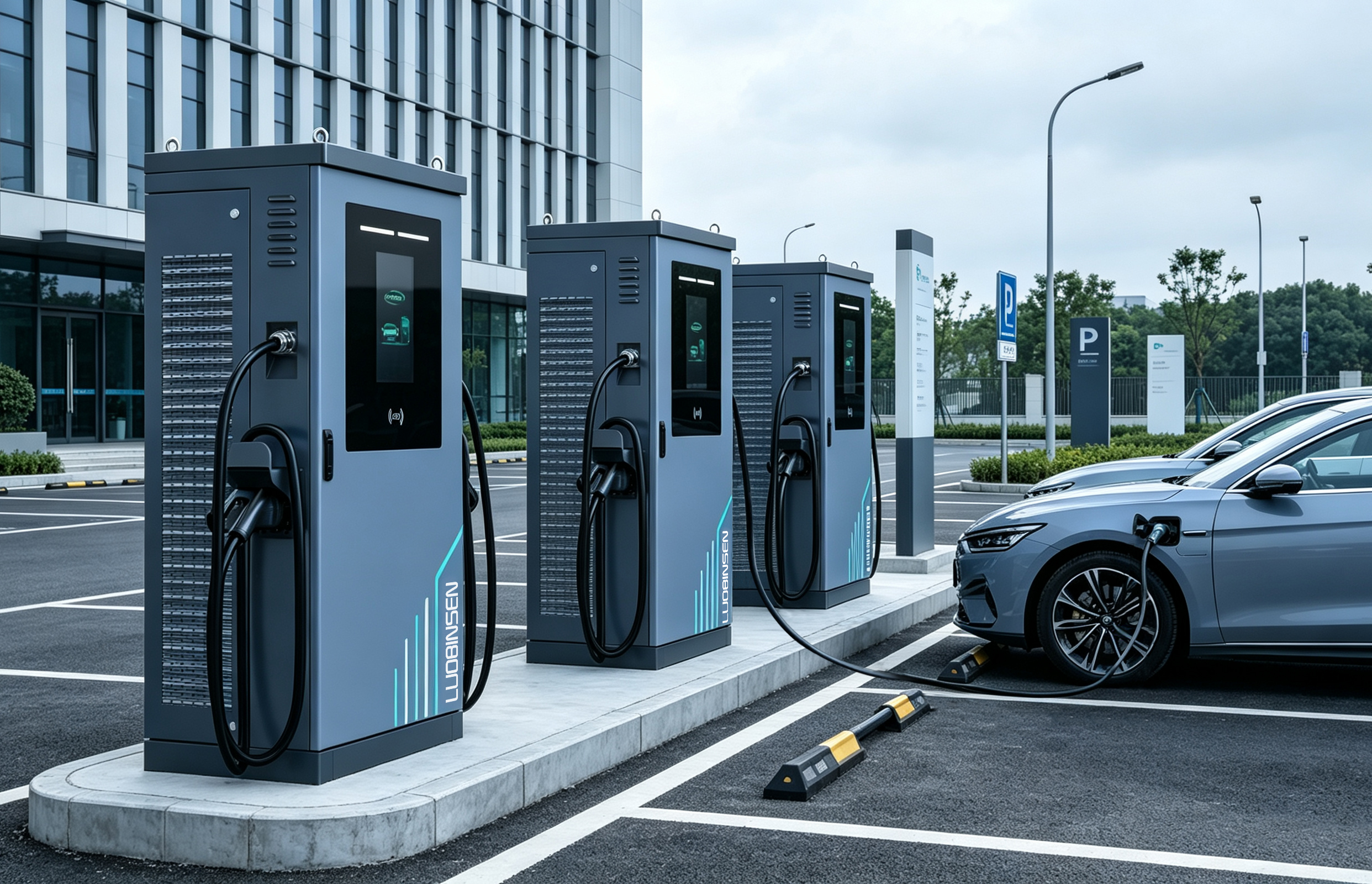
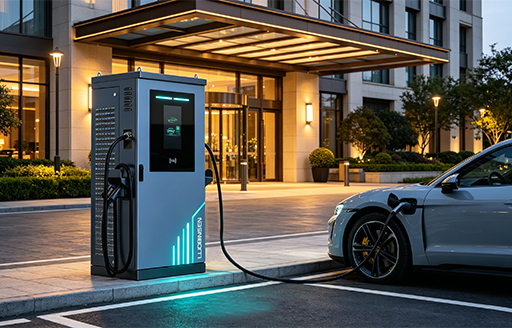
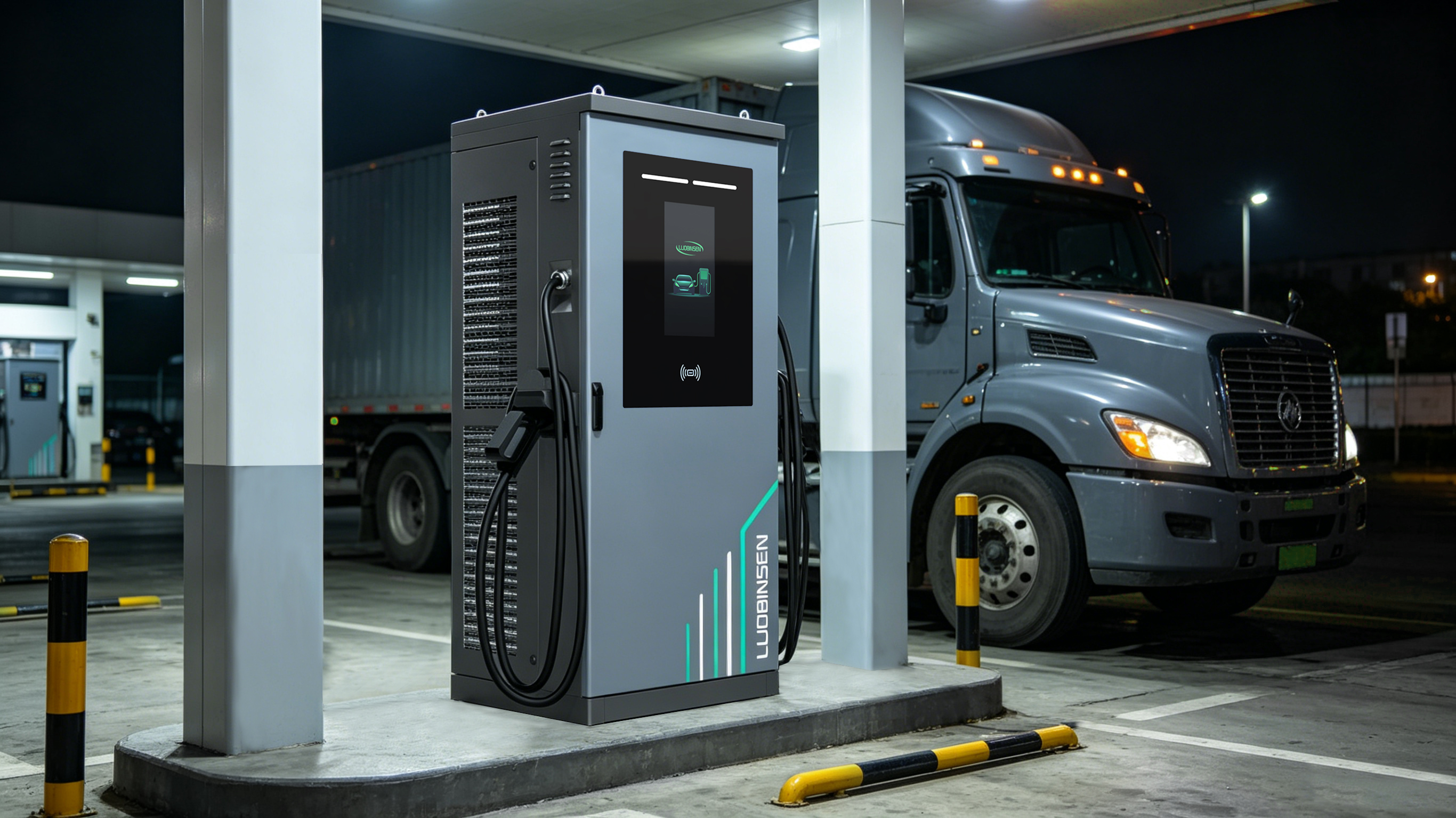
Plan fleet charging around the vehicles that need to leave the depot, the energy they need and the time available to charge. Electric buses, delivery vans and other commercial vehicles can have different schedules and charging interfaces, even when they share the same site.
Luobinsen’s fleet charging range can be reviewed against these requirements, from plug-in DC equipment to pantograph options for compatible vehicles. Start with an operating plan and site assessment, then confirm the equipment configuration, installation responsibilities and support arrangements for your project.
Match charging to the operating schedule
- Overnight depot charging: use return times, next departures and the energy required for each vehicle to plan charging during longer parking windows. Include vehicles that return late or leave early.
- Opportunity charging: assess scheduled breaks, terminal stops or depot visits during the working day. Allow for arrival variability, vehicle positioning and connection time when estimating the usable charging window.
- A combined approach: identify which journeys depend on daytime charging and which can be supported by depot charging. Agree what happens if a charging session or bay is unavailable.
For buses using an automated connection, confirm the vehicle and infrastructure interfaces before selecting a pantograph arrangement. Our guide to charging a mixed fleet with pantograph and plug-in equipment explains the compatibility questions to address.
Prepare the inputs for charger and power planning
A useful fleet brief includes:
- Vehicle models, fleet size, battery capacity, supported charging interfaces and the vehicle manufacturer’s charging limits.
- Energy required between departures in kWh, using route or operating data where available, including seasonal variation.
- Arrival times, next departure times, usable charging windows and the number of vehicles that may need charging together.
- Available site connection capacity, transformer information, other electrical loads and any utility operating limits.
- Parking layout, vehicle movements, cable or pantograph access, maintenance space and planned fleet expansion.
Use these inputs to assess charging demand over time. The power a vehicle can accept varies with its charging limits and operating conditions, so the planned energy delivered before departure needs to reflect the actual vehicle and charger combination. Confirm how power allocation will prioritize vehicles when the available site capacity is shared.
Coordinate electrical capacity, controls and site layout
Review the proposed charging load with the site’s electrical designer and utility alongside existing depot demand. Agree the distribution equipment, protection, cable routes, connection works and space needed for future phases. Set out which responsibilities belong to the equipment supplier, installer, site operator and utility.
Define the information and controls the operator needs: charger availability, session status, energy delivered, fault reporting and charging priorities. Confirm the data each vehicle and charging platform can provide, including state of charge where supported, and test the agreed integrations during commissioning.
Where the grid connection constrains a proposed schedule, compare managed charging, a connection upgrade and storage-assisted options against the site’s demand and tariff. The battery storage planning guide explains the distinction between available power and stored energy, and the questions to assess before adding a battery system.
Review equipment against the fleet brief
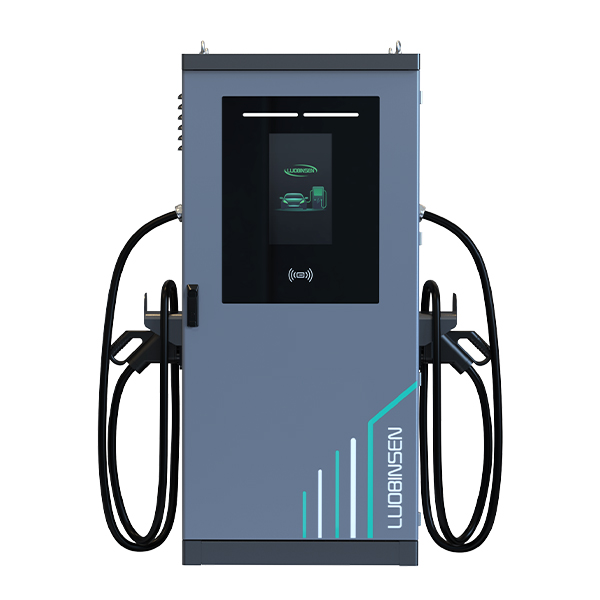
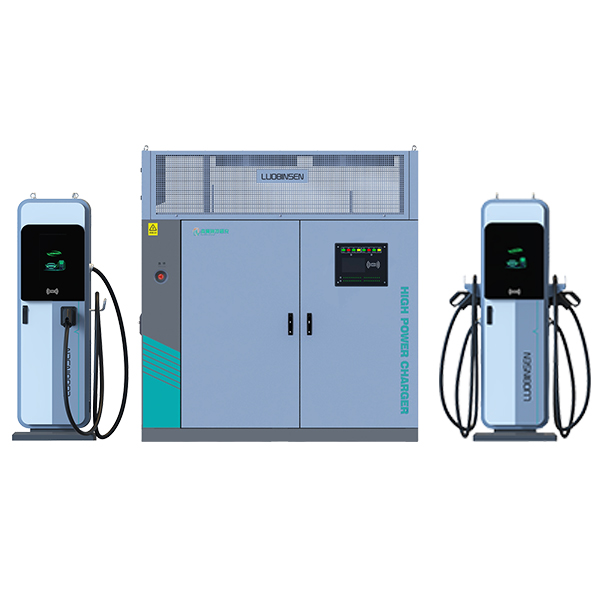
Explore the All-In-One DC Charger and Group charger product information as starting points for plug-in charging discussions. Confirm the current model, output configuration, vehicle interfaces and site requirements with the project team before selection.
For vehicles equipped for automated charging, review the pantograph charging range alongside the vehicle supplier’s interface requirements. A mixed fleet may need different charging arrangements for different vehicle groups.
Plan delivery, commissioning and operation
- Define the project: share the vehicle schedule, energy requirements, site location and available electrical information.
- Agree the configuration: review vehicle compatibility, equipment layout, power allocation, management-platform interfaces and the installation scope.
- Coordinate installation: align site works, utility requirements and equipment delivery with the depot’s operating schedule and proposed rollout phases.
- Verify operation: commission representative vehicle and charger combinations, including connection, energy delivery within the agreed window, charging priorities and fault handling.
- Prepare the handover: agree operator training, documentation, inspection routines, support contacts and the process for reporting an unavailable charger.
Review our EV charger services and technical support when defining the handover and support scope. For examples to discuss with the team, browse Luobinsen project references and request details relevant to your vehicle type, market and operating conditions.
Discuss your fleet charging project
Send your fleet requirements with the project country, vehicle models and quantities, daily operating schedule, expected charging windows and available site power information. Include any planned expansion and existing charging-management platform so the equipment and integration requirements can be reviewed together.