
 By Luobinsen
  Publish date: January 10, 2025
  Read time: 2 minutes
 Updated October 13, 2026. This restored article has been revised to clarify compatibility and configuration requirements.
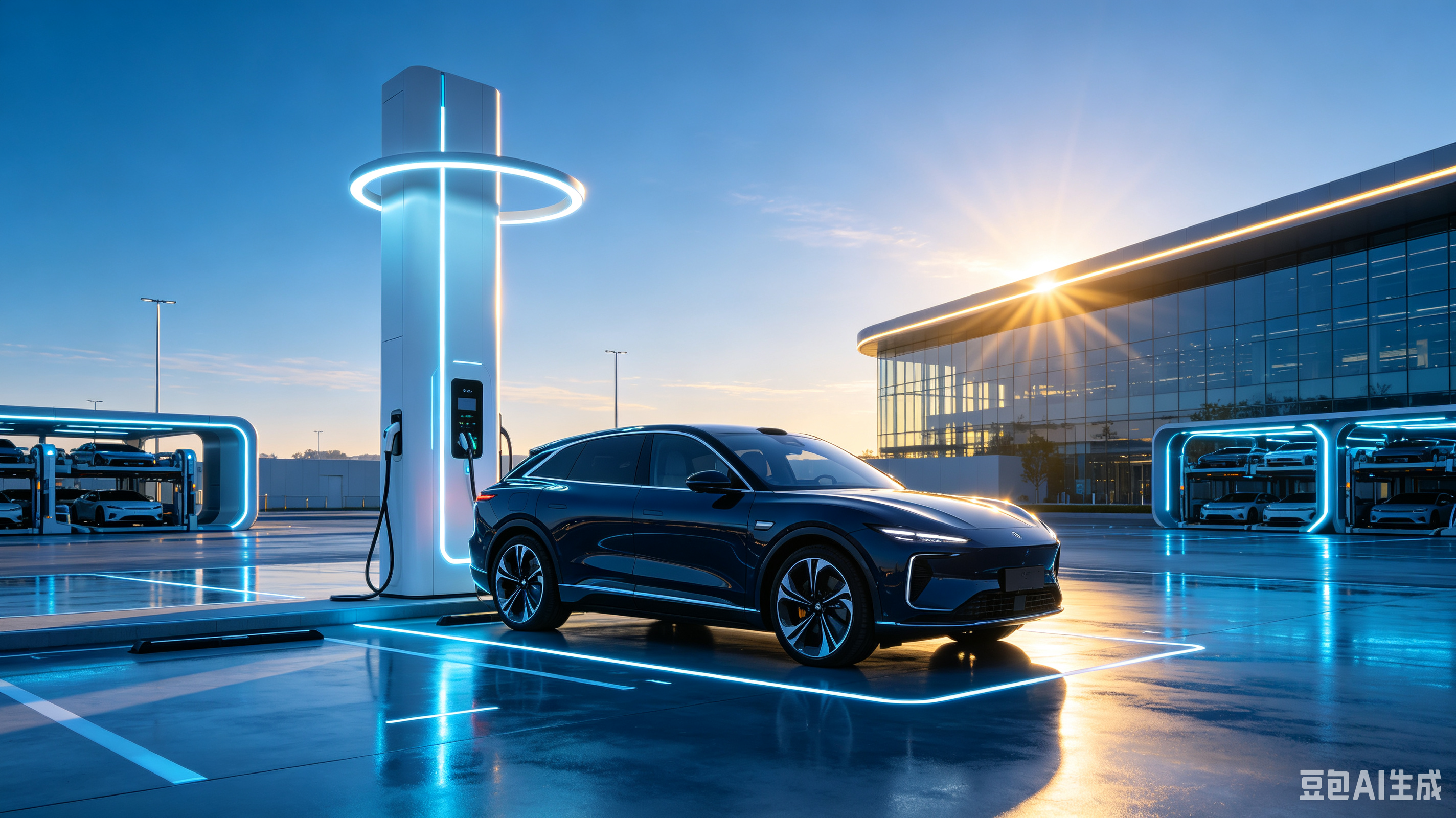
Compatibility is an important part of charging infrastructure for public operators, commercial fleets, heavy-truck operators and vehicle dealers. Luobinsen develops charging products for different applications; selecting suitable equipment requires checking the vehicle, electrical supply, charging connector and management platform together.
Ensuring Widespread Accessibility
A charging network needs equipment that matches the vehicles it intends to serve. Connector appearance alone is not enough to establish compatibility. The selected connector standard, supported electrical operating range and vehicle charging requirements all belong in the procurement specification.
The current All-In-One DC Charger page lists connector options including CCS1, CCS2, GBT, CHAdeMO and NACS. These are configuration options, not a statement that every installed unit has every connector or supports every vehicle. Operators should confirm the supplied configuration and test it with their intended vehicle fleet.
Reducing Operational Complexity
Compatibility also affects installation, day-to-day use and maintenance. Confirming the site supply and equipment layout early helps make the requirements clear to the installer and operator. A consistent approach to authentication, network access and charging management can make a multi-station deployment easier to administer.
Luobinsen’s current DC product specifications list touchscreen operation, authentication options, network connectivity and OCPP platform communication. The network and platform options required for a project should be agreed before installation, with commissioning used to verify that the charger and management system work together.
Planning for Changes in Charging Infrastructure
Vehicle fleets and charging requirements can change over time. When comparing equipment, consider the expected vehicle mix, connector needs and management platform as well as today’s installation. Ask which configuration changes or software updates are supported for the specific model.
Compatibility planning can help avoid foreseeable mismatches, but it cannot guarantee that future vehicles or standards will require no equipment changes. Keep the approved technical documentation and verify compatibility whenever the fleet or operating system changes.
Conclusion
Effective charging infrastructure depends on matching equipment to real operating requirements. Review the current Luobinsen product range and confirm vehicle, electrical and platform compatibility for the selected configuration.