
 By Luobinsen
  Publish date: October 2, 2025
  Read time: 2 minutes
 Updated October 13, 2026. This restored article has been revised to distinguish charging-infrastructure planning from battery-life guarantees.
Battery condition is an important consideration when planning electric-vehicle infrastructure. A charging installation must meet the fleet’s operating needs while respecting the vehicles’ charging requirements. Luobinsen’s original article considered how charger selection, station design and operating patterns can be reviewed together for commercial and fleet applications.
Understanding the Role of Battery Degradation
Battery aging should be considered alongside charging demand rather than treated as a problem that a charger alone can eliminate. Review the vehicle manufacturer’s charging guidance, the supported voltage and current ranges, and the expected charging schedule. Charger compatibility does not by itself establish compatibility with every battery chemistry or guarantee a particular battery lifespan.
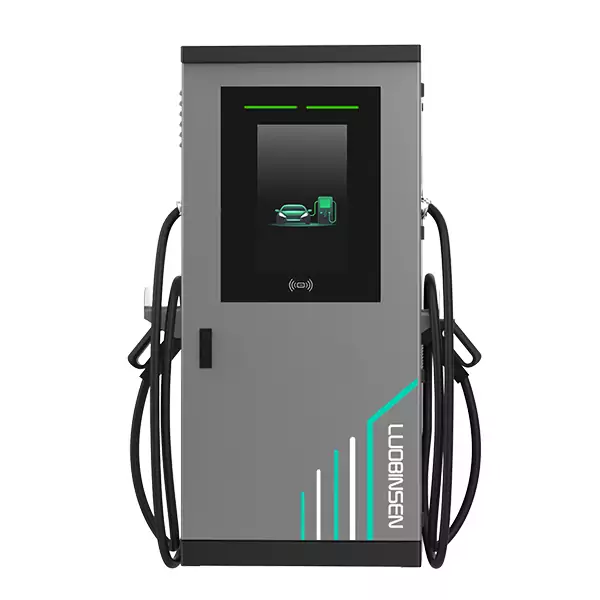
The current All-In-One DC Charger page provides electrical specifications and connector options for the product family. Power and connector options vary by configuration. Use the applicable technical documentation and confirm the required model rather than relying on the older article’s power-range description.
Integrating Battery Insights into Power Station Design
Charging-site planning begins with the vehicles, their usage patterns, available stopping periods and site power supply. Review expected energy needs and peak charging demand before deciding where chargers will be installed and how many charging points are required.
Information from the fleet and vehicle manufacturer can help inform that review. Keep vehicle battery-management requirements distinct from the charger’s electrical limits and site-management functions; each needs to be checked as part of the proposed system.
Practical Considerations for Operators and Fleets
Operators need a charging plan that supports vehicle availability and provides clear operating and maintenance procedures. Current All-In-One product information lists network connectivity, authentication and OCPP platform communication, which should be reviewed with the intended charging-management system.
Assess charging performance and battery condition using the fleet’s actual records. Savings in battery replacements, battery-life improvements or reductions in operating cost depend on the vehicles and operating conditions and should not be promised from charger selection alone.
Conclusion: A Strategic Approach to EV Charging
Considering battery health means coordinating vehicle guidance, charger specifications and site operations. Discuss the fleet’s charging schedule and compatibility requirements with Luobinsen and the vehicle manufacturer when planning a charging installation.