 By Luobinsen
  Publish date: January 9, 2025
  Read time: 2 minutes
 Updated October 13, 2026. This article has been revised to reflect current product information and clarify technical claims.
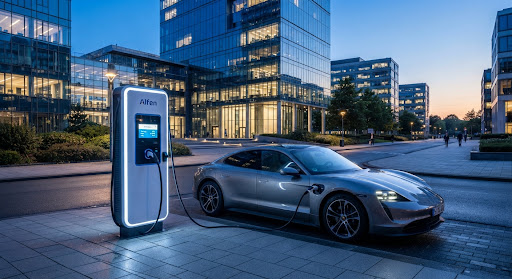
For companies working in electric mobility, choosing an EV charger supplier involves equipment, support and operating requirements. Luobinsen supplies charging solutions for commercial fleets, public charging operators and other charging businesses. Understanding the differences between AC and DC charging helps a business evaluate its options.
Understanding Maintenance for AC Chargers
As an EV charger supplier, we understand that businesses need to plan equipment upkeep. Follow the maintenance instructions for the selected charger and arrange inspection of cables, connectors and other components as required. Do not assume that equipment can operate for a fixed number of years without servicing. Contact the support team when an issue needs assessment.
The Basics of AC Charging
Understanding AC charging is important when selecting equipment. Vehicle batteries are charged using DC, while an AC charging point supplies AC electricity to the vehicle. The vehicle’s onboard charger normally performs the AC-to-DC conversion.
The Advantages of DC Charging
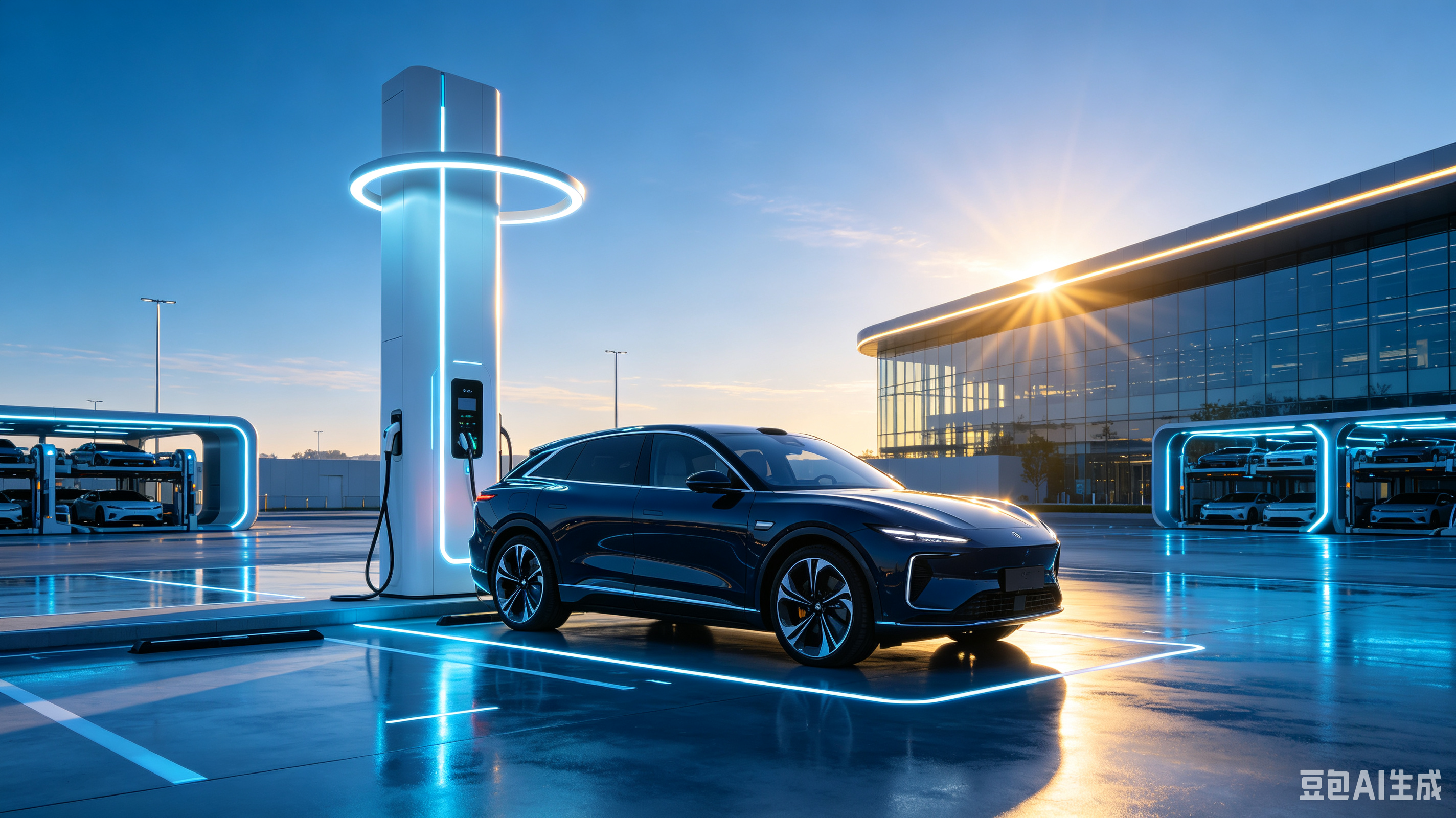
DC charging equipment supplies DC to the vehicle, bypassing the onboard AC charger for that power conversion. It can support higher charging power where the vehicle and installation allow it. Charging time depends on equipment power, vehicle capability, battery state and other conditions. A fixed charging time should therefore not be assumed across different vehicles.
Conclusion
Choosing a supplier means considering both the charging equipment and the support needed to operate it. Review the maintenance requirements, AC or DC charging capability and suitability for the intended vehicles. Discuss the site’s operating needs with Luobinsen before selecting a charging solution.