 By Luobinsen
  Publish date: April 30, 2025
  Read time: 2 minutes
 Updated October 13, 2026. This restored article has been revised to reflect the current Luobinsen AC Charger specifications.
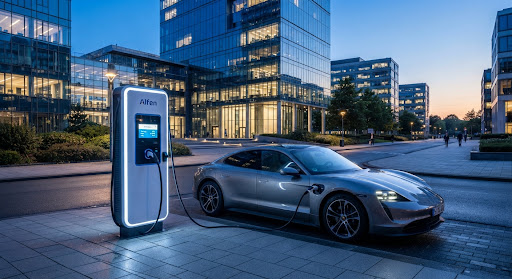
Home charging gives electric-vehicle owners a way to charge where they park regularly. Luobinsen’s AC charging products are designed for residential and workplace applications, with installation and connector choices that should be matched to the vehicle and the available electrical supply.
The Need for Convenient Home Charging
A suitable home charger can reduce reliance on visits to public charging stations. The charging time available overnight or during other parking periods is an important part of selecting the installation. A full charge by morning should not be assumed: the vehicle’s needs, its AC charging capability and the supply available at the property must be considered.
Review where the vehicle will park, how the charging cable will reach it and whether the proposed electrical installation can support the selected charger. Confirm installation requirements before ordering equipment.
Introducing Luobinsen’s AC Charging Options
The original article introduced the LAC series. The current AC Charger page lists 7kW, 11kW and 22kW maximum power options, with wall-box and column-pedestal installation modes. These current specifications replace the older article’s 21kW reference.
The product page lists Type1, Type2 and GBT connection options. Select the configuration that matches the intended vehicle and power supply; the available options do not mean that every unit includes every connector. Confirm the precise model and its technical documentation with Luobinsen.
Controls and Connectivity for Residential Charging
Current specifications list a display screen, RFID authentication, network connectivity and OCPP platform communication. These functions should be reviewed according to the installation’s needs, including whether charging management or network access is required.
The product documentation also identifies protection functions and environmental conditions. Review those requirements with the installer rather than assuming that a charger can be installed in any location without an electrical or site assessment.
Conclusion
A residential charging installation should combine convenient access with the right electrical and vehicle configuration. Use the current AC Charger specifications to discuss the proposed installation with Luobinsen and a qualified installer, and confirm the equipment and charging arrangements that suit the property.